Rifles for Texas hogs, axis deer and free-ranging exotics
Around San Antonio the hunting year does not stop when the deer season closes. Feral hogs live on nearly every ranch from the Guadalupe bottoms to the Rio Grande, and the Hill Country carries free-ranging axis deer, aoudad, blackbuck and fallow that escaped game ranches decades ago and now breed in the wild. Between them they fill February through September, and they call for a different rifle than a whitetail stand does.
The rules, in short
Texas Parks and Wildlife lists no hunting licence requirement for feral hogs taken on private property with the landowner's authorisation. There is no closed season, no bag limit and no restriction on means and methods on private ground, and night hunting is allowed. Hunter education requirements still apply, and moving live hogs falls under Texas Animal Health Commission rules. On public land the licence requirement returns, and public land near San Antonio is scarce in any case.
Exotics are treated differently. The department defines an exotic as any animal not indigenous to Texas, including axis deer, aoudad, blackbuck and the various antelope species, and a valid hunting licence is required to hunt one. There is no closed season and no bag limit on private property, and night hunting is allowed there. Hunting an exotic from a public road or right of way, or without the landowner's permission, is a serious offence.
Read those two paragraphs together before you book. The single most common mistake a visiting hunter makes is assuming the hog rules cover the axis deer standing next to the hog.
Where the hunting is
Hogs concentrate in river bottoms and farm ground: the Guadalupe between Seguin and Gonzales, the San Antonio River below Floresville, the Medina and Hondo creek bottoms west of the city, and the irrigated circles around Pearsall and Dilley. Axis deer are thickest in Kerr, Bandera, Kendall, Gillespie and Uvalde counties, where they compete with whitetail on the same leases and rut in the summer rather than the fall. Aoudad hold the roughest canyon country west of Junction and north of Del Rio. Blackbuck and fallow turn up on Hill Country ranches in smaller numbers.
The rifle for hogs
Hogs are shot close, often at night, often more than once. Semi-automatic rifles dominate for good reason.
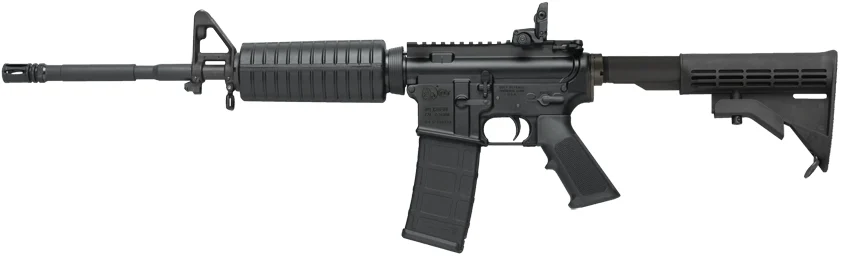
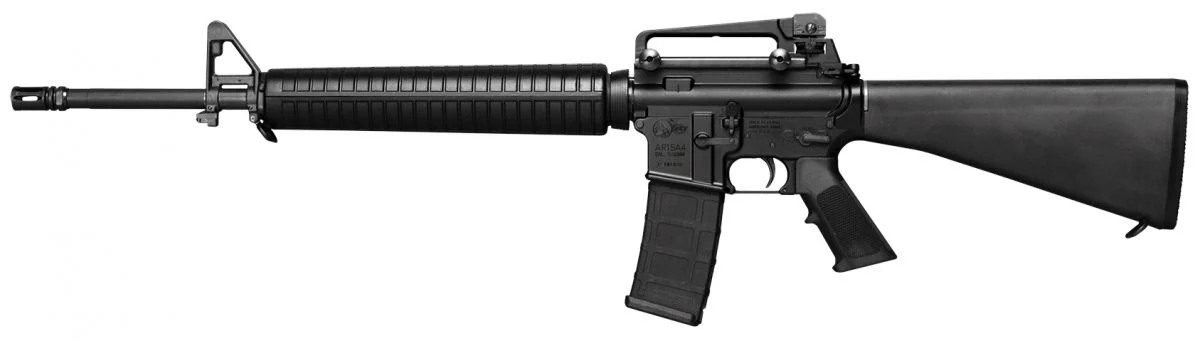
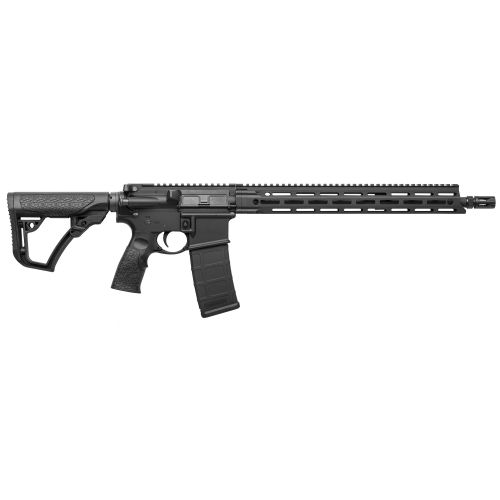
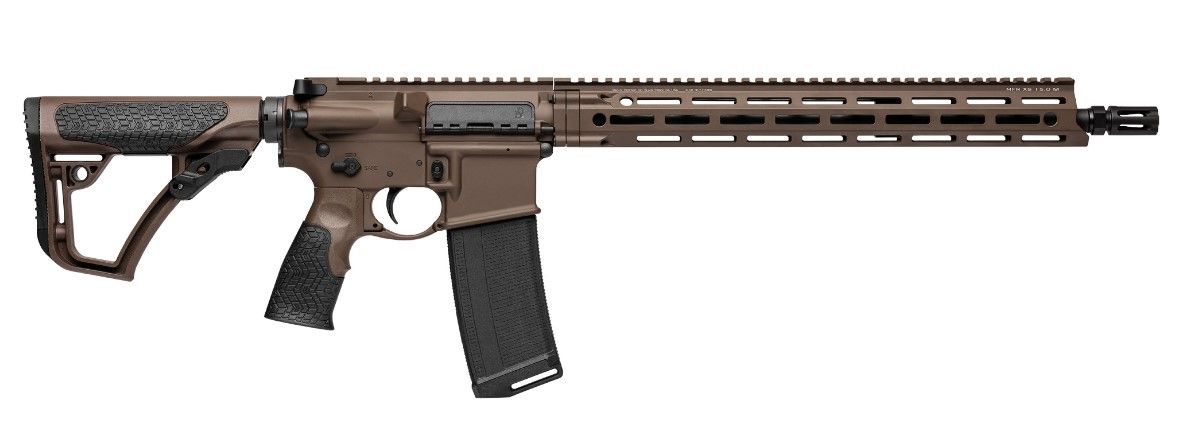
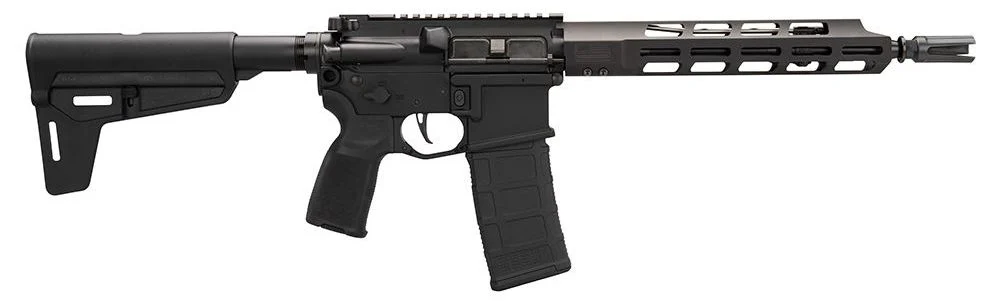
- AR-15 in 5.56 or .223 with a 55 to 77 grain bonded or solid bullet handles most sounder work inside 150 yards. It is light, cheap to feed and quick for a follow-up shot.
- .300 Blackout gives a heavier bullet from the same rifle and suits short barrels and thick cover.
- 6.5 Grendel and .350 Legend extend the range or the bullet weight while keeping the AR platform.
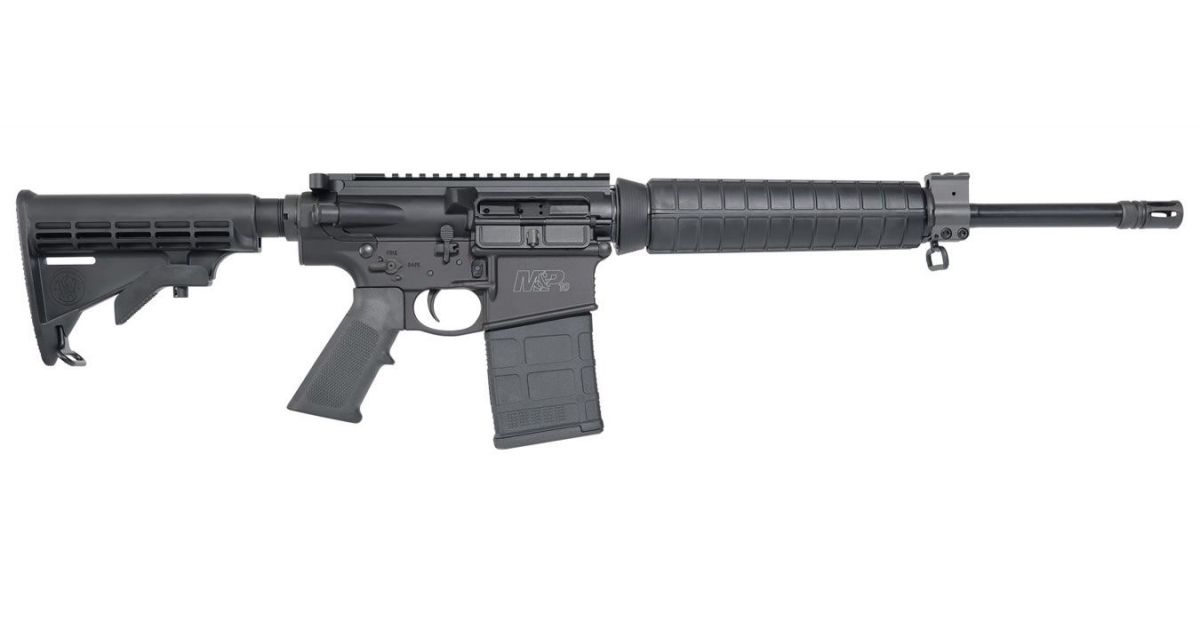
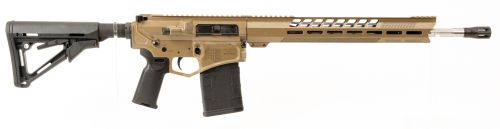
- AR-10 in .308 is the answer for big boars at 200 yards and beyond, and doubles as an exotic rifle.
- A bolt rifle in .308 or 6.5 Creedmoor still works well from a tower or a high rack over a feeder.
Optics matter as much as the rifle. A 1-6x or 1-8x low-power variable covers a close sounder and a 200-yard shot from one scope. A weapon light with a green or red lens is standard for night work over corn, and many ranches now allow thermal. Confirm what your lease permits, and confirm it in writing, because equipment rules vary from ranch to ranch even where state law is silent.
The rifle for axis, aoudad and fallow
Axis deer weigh more than Hill Country whitetail and are tougher than their size suggests. Aoudad are tougher again and usually shot across a canyon. Step up from the whitetail rifle.
- .270 Winchester or .30-06 with a 140 to 180 grain controlled-expansion bullet is the practical all-rounder.
- 6.5 PRC, .280 Ackley or 7mm Remington Magnum give the reach for a 350-yard aoudad on a rimrock.
- .308 Winchester remains fine inside 250 yards with a premium bullet.
Put a 3-15x or 4-16x scope on it, learn the drop out to 400 yards, and carry a bipod or a tripod. Aoudad hunts in the canyons north of Del Rio or west of Junction are as much about glassing and climbing as shooting.
Javelina, a native that is not an exotic
Collared peccary, called javelina across South Texas, is a native game animal with its own season and bag limit set by county, and it is not covered by either the hog rules or the exotic rules. Counties such as Webb, La Salle, Frio and Val Verde have long seasons, while others have none at all. Shoot one thinking it is a hog and you have a game violation, so learn the difference: a javelina is smaller, grey with a pale collar, and travels in a loose herd in daylight. A .223 or .243 with a soft-point bullet is plenty, and the county page in the Outdoor Annual sets the dates and the limit for the property you hunt.
Practical gear
Bring more ammunition than you expect to use, especially for hogs. Carry a sturdy sling, a light with fresh batteries, and a knife that holds an edge through several animals. Hearing protection is easy to forget on a night hunt and easy to regret. Suppressed rifles are common on Texas hog ranches and are legal under federal registration rules; the dealer and the federal process handle that, not the state.
Buying for the year-round hunt
A working setup for this region is a light bolt rifle for the November whitetail season and a semi-automatic in 5.56 or .308 for everything else, sharing one calibre of ammunition where you can. Compare rifles in the catalog, read the deer rifle guide for the whitetail side, and see the Bandera and Uvalde pages for local notes. Purchase and transfer rules are set out in the Texas gun laws guide.
General information, not legal advice. Current as of September 2026. Laws change; check the official source before you act.