Carrying a handgun in Texas: the LTC and licence-free carry
Since the Firearm Carry Act of 2021 took effect on September 1 of that year, an adult of 21 or older who may lawfully possess a firearm can carry a handgun in Texas without applying for anything. Carry may be concealed or open, and open carry must be in a holster. That single change did not end the licence, and there are good reasons in San Antonio and along the border for holding one.
Who may carry without a licence
The Department of Public Safety describes the law plainly: it allows people who are 21 or older and who can legally possess a firearm to carry a handgun without first obtaining a licence. The qualifier matters. Anyone barred by federal law, by a felony conviction, by certain recent misdemeanour convictions, or by a protective order is still barred, and carrying anyway is a serious offence. If you are unsure whether an old case disqualifies you, get an answer from a lawyer before you carry rather than after.
The License to Carry
The licence is issued by the Department of Public Safety for the whole state. No county office issues it, so a resident of Bexar, Kerr or Webb County applies to the same place and pays the same fee. The standard fee is $40 for an original licence and $40 to renew. Training runs four to six hours of classroom instruction, followed by a written examination and a shooting proficiency demonstration. A first licence runs four years and a renewal runs five.
A federal court decision ended the department's practice of refusing applicants aged 18 to 20, and the department states it no longer denies applications on that basis alone. Applicants in that band should expect the same training and testing as everyone else.
Why people still get one
The department's own list of benefits explains the appeal. A licence may be used in place of the NICS background check when you buy a handgun from a dealer, which can shorten a pickup. It is accepted as personal identification at most businesses and as voter identification. It gives protection in the specific case of accidentally carrying a firearm into an airport screening area. It allows concealed carry on a public university campus, unchanged by the 2021 law. And it opens carry in other states.
Reciprocity and the 2025 change
Senate Bill 706, effective September 1, 2025, made Texas recognise a valid handgun licence issued by any other state. That is one-way recognition: it governs visitors carrying here, not Texans carrying elsewhere. Whether your Texas licence is honoured in another state depends on that state's law and on any agreement the governor has negotiated. The department keeps a reciprocity list, and it changes. Check it before a trip rather than trusting a map you saw last year.
Where carry stays prohibited
Licence or no licence, Penal Code section 46.03 closes a list of places. The department's guidance names schools and school grounds and school-sponsored activities, premises of a school or professional sporting event, correctional and civil commitment facilities, hospitals and nursing homes where notice is given, mental hospitals, amusement parks where notice is given, polling places during voting or early voting, court premises, racetracks, the secured area of an airport, and within 1,000 feet of a designated execution site on the relevant day. Businesses that draw more than half their receipts from alcohol sold for consumption on the premises post a red 51 percent sign, and carry there is a felony.
Signs on private property
A property owner may exclude licensed carry with the notices in sections 30.06 for concealed and 30.07 for open carry. Both must use the statutory wording in English and Spanish, in contrasting block letters at least one inch high, displayed conspicuously at the entrance. A sign that does not meet those rules carries no criminal weight, but the owner can still ask you to leave, and refusing becomes trespass.
Campus, work and public buildings
Concealed carry by a licence holder on a public university campus was created by a separate law and survives the 2021 change, which is why the department still lists it as a benefit of holding a licence. Each institution sets its own exclusion zones, so a University of Texas at San Antonio or Texas State student should read the campus policy rather than assume the whole campus is open. Employers may bar firearms from buildings, though Texas law protects an employee's right to keep a lawfully owned firearm locked in a private vehicle in most workplace parking areas. Government buildings other than those named in section 46.03 generally cannot exclude licensed carry without meeting the statutory notice rules, and a local entity that posts an invalid sign can be challenged.
In the vehicle
The department's guidance is that a handgun in a vehicle must be concealed or in a holster. That applies whether you are licensed or carrying under the 2021 law. Loose in a console or on a seat is where most avoidable trouble starts.
Choosing a carry handgun
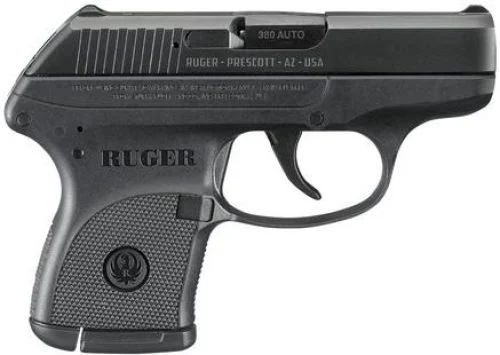
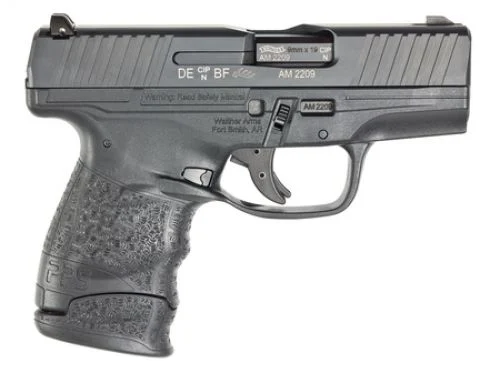
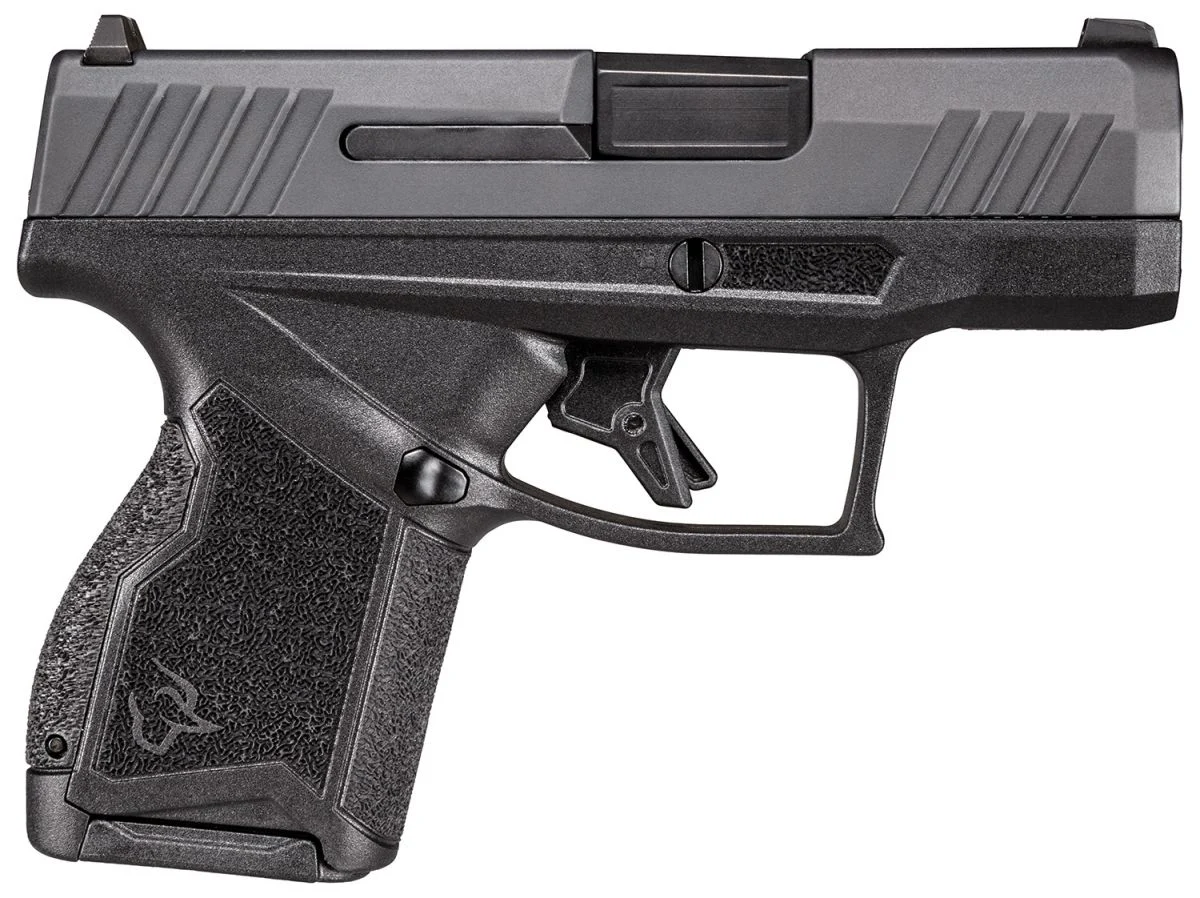
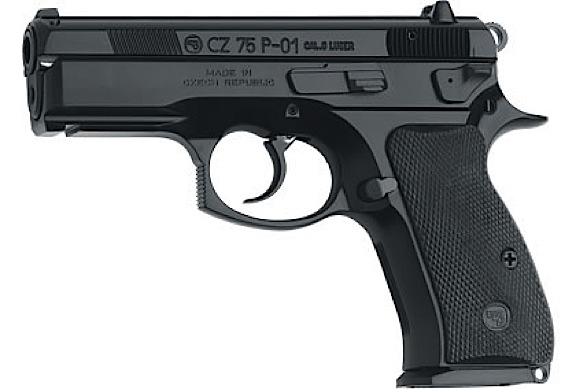
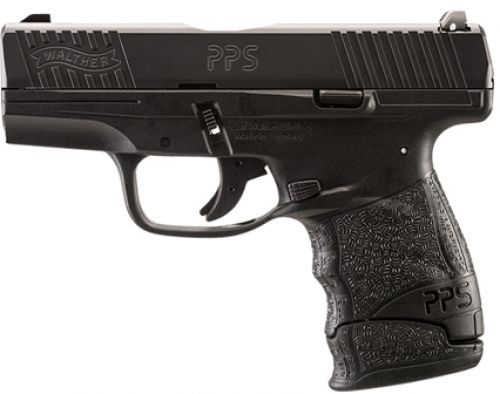
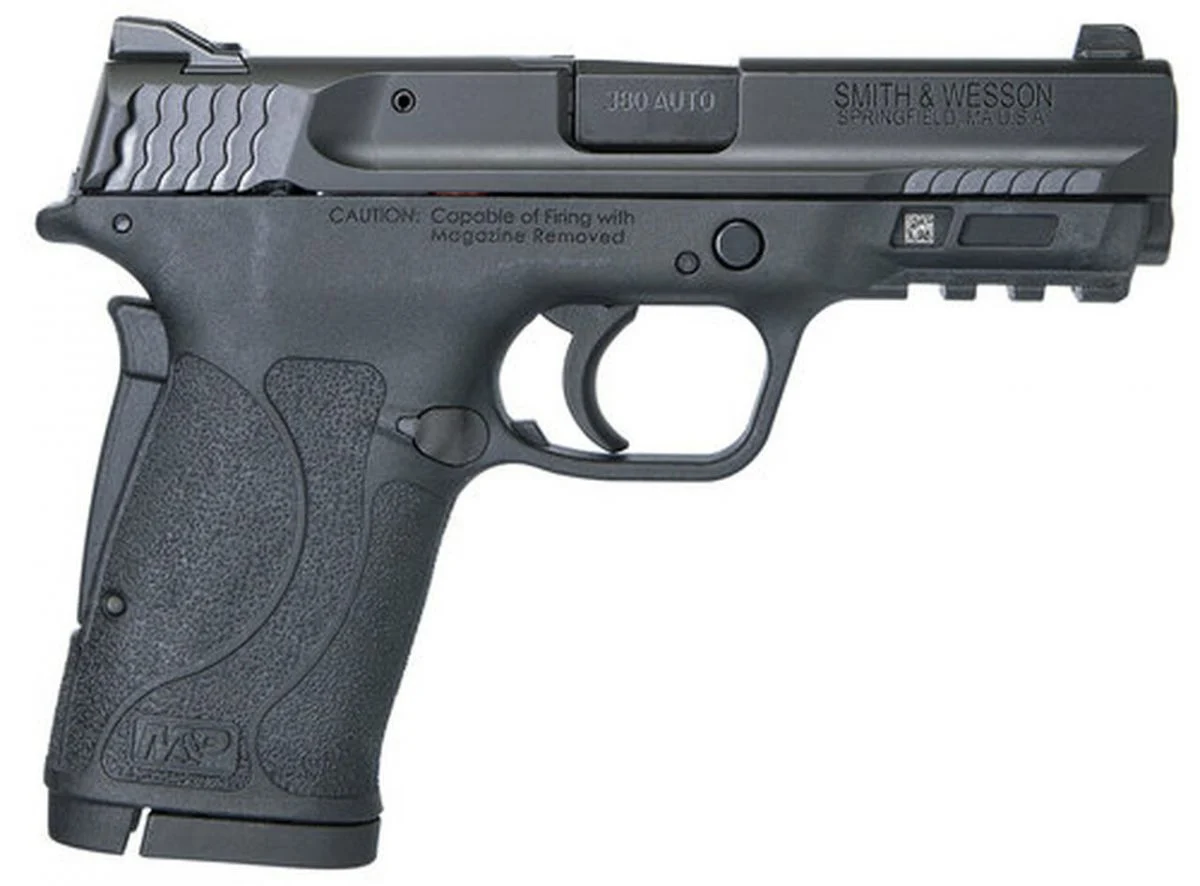
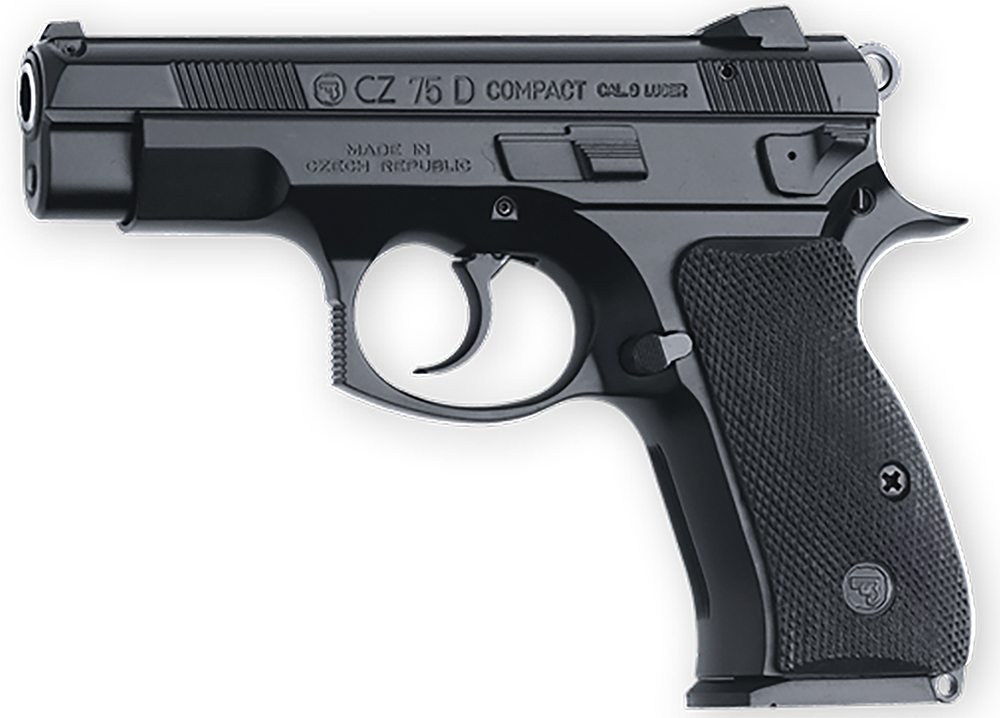
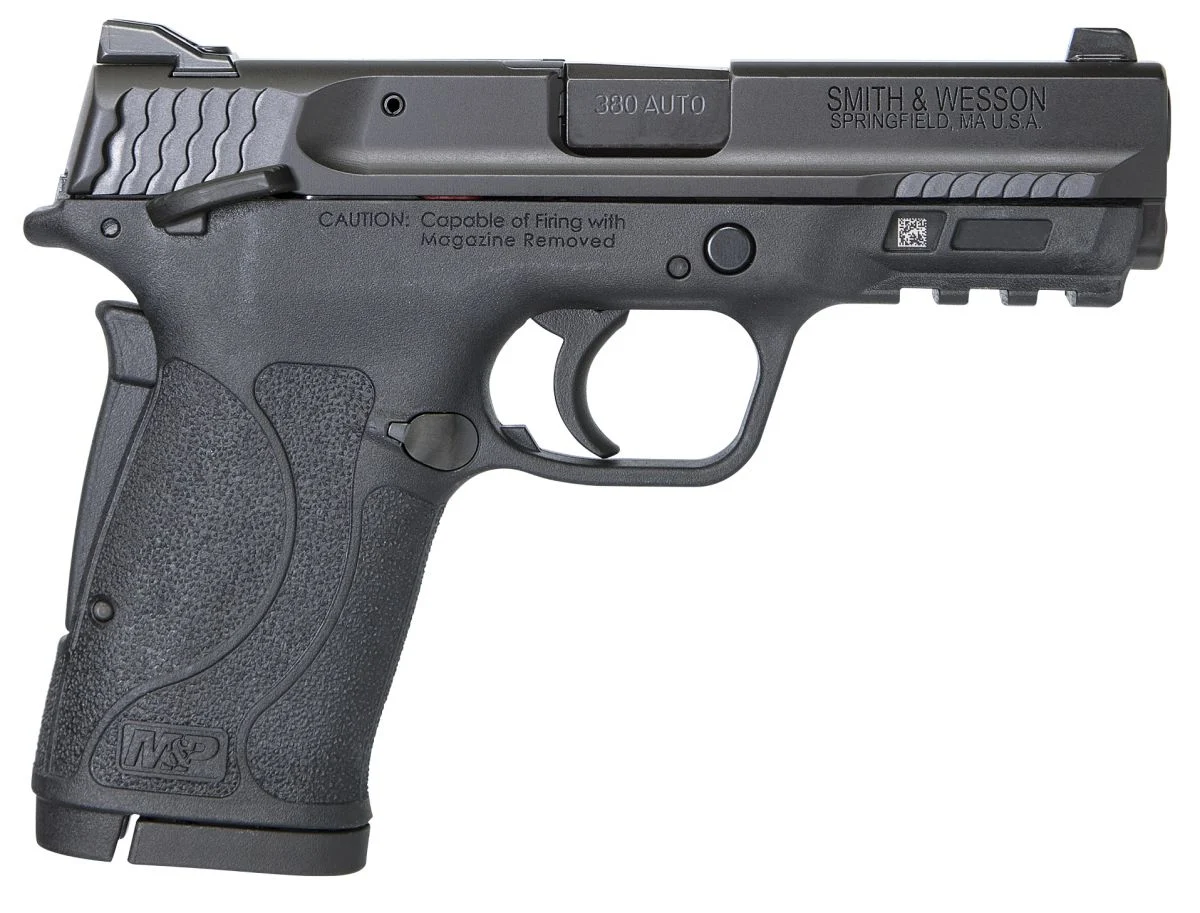
San Antonio summers push most people to a slim, light pistol that hides under a single layer. Micro-compact nine millimetres in the mould of the Sig P365, Glock 43X, Springfield Hellcat and Smith and Wesson Shield Plus carry ten to fifteen rounds in a grip an inch wide. If you spend the day in a truck between New Braunfels and Cotulla, a compact such as a Glock 19 or P320 Compact rides fine in a good belt holster and shoots better at distance. Buy the holster and the belt at the same time as the pistol, and put a few hundred rounds through it before you trust it.
Compare carry pistols in the catalog, read the Texas gun law overview for purchase rules, and use the San Antonio guide for dealer transfers. City pages for San Antonio and the rest of the region sit under gun shops by city.
General information, not legal advice. Current as of September 2026. Laws change; check the official source before you act.